Questions?
The DLegal team is here to support. We will do our best to assist or connect you with those who can help.
Send Us a Message
Alberta Driving Laws: Bare Feet, Flip-Flops and Footwear Rules
 Anna Dunaeva
November 19, 2026
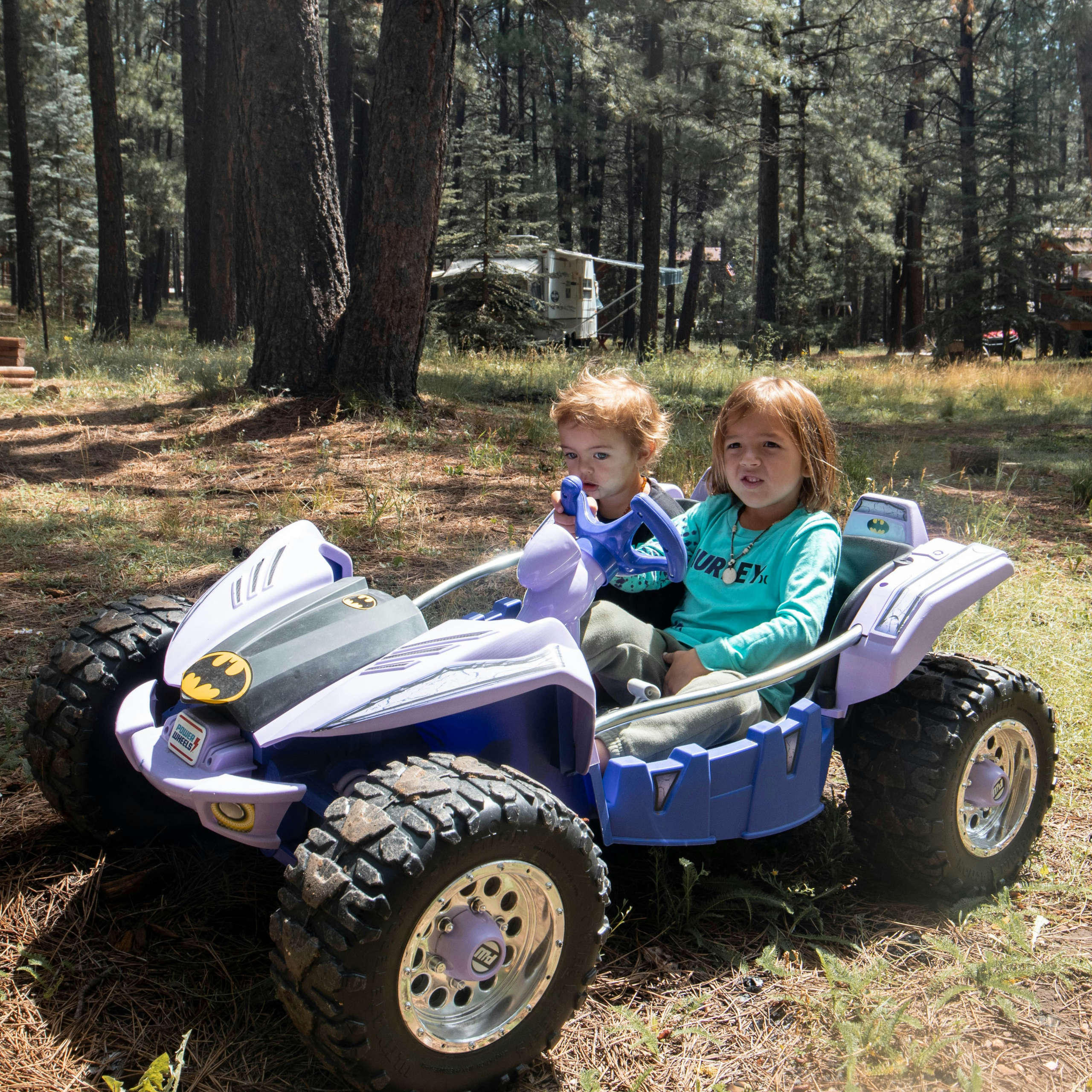
Whether it is illegal to drive barefoot in Alberta is the subject of one of Canada’s most common driving myths. Although driving barefoot may seem like a traffic violation, Alberta law does not prohibit it. The real legal concern is whether the driver can operate the vehicle safely.
Individuals may still be charged with careless driving if their bare feet, flip flops, or other footwear contribute to a collision or loss of control. Therefore, it’s best to always wear proper, well-fitted footwear instead of loose sandals, high heels, or heavy winter boots. We’ll explore this more here.
No Alberta law makes driving barefoot, driving in flip-flops, or driving in socks only illegal on its own. Neither the Alberta Traffic Safety Act nor any federal law prohibits it.
The Traffic Safety Act and its regulations set standards for motor vehicle safety, equipment, and driver licensing. Still, they do not prescribe specific footwear or clothing for drivers anywhere in the province.
However, drivers do have a responsibility to maintain proper control of their vehicle at all times. Police officers can stop a vehicle to check licenses, registration, or sobriety. If an officer observes you weaving or struggling with the pedals and notices you are barefoot, that may become part of the reason for the stop and any later charge. Cooperate respectfully and choose safe footwear to avoid misunderstandings.
If you end up in a crash, even though barefoot driving is legal, police can still lay charges such as careless driving under section 115 of the Traffic Safety Act if lack of proper footwear appears to have contributed to unsafe driving or a crash. Insurers may also examine what you were wearing on your feet after a crash, and unsafe choices can affect fault and claims.
We can’t tell people what shoes to wear, but we can outline the safety risks that regularly come up in Alberta accident and insurance files.
Barefoot driving increases the risk of losing pedal control, especially on smooth or metal pedals. Sweat, moisture, or winter salt can cause your foot to slip at crucial moments. Bare feet also apply less pressure to the pedals than shoes, and the lack of foot protection poses a real risk in emergencies. That said, driving barefoot is considered safer than driving in loose footwear like flip flops.
Flip-flops and sandals can get wedged under the brake or accelerator, bend under the foot, or slide off entirely. Many accident files show flip flops are potentially more dangerous than bare feet because they slip and catch on pedals when you need to stop quickly.
You’re also at the whims of the weather. Hot pedals can burn bare feet, while cold weather can cause frostbite when you drive barefoot.
Bare feet and flip-flops are not the only bad idea, though. Winter boots can be bulky and make it hard to judge pedal pressure, switch quickly between pedals, or avoid pressing both pedals at once. High-heeled shoes force awkward ankle angles and reduce contact with the pedal, which may become an issue in a legal assessment after a collision.
Remove high heeled shoes or heavy winter boots and switch to driving shoes when possible, especially for longer highway trips. Put the other footwear back on after parking safely.
A secure pair of flat, closed-toe shoes is generally the safest option for controlling pedals with proper grip and comfort. Keep a simple pair of flat, closed-toe shoes (runners or laced shoes) in your car to change into before driving home.
Avoid placing the removed shoes or boots in the driver’s footwell. Loose items can slide under the pedals and create a hazard that may be scrutinized in a legal claim.Think of footwear as part of overall driving preparedness, just like seatbelts, adjusted mirrors, and appropriate tires, to protect yourself on Alberta roads.
While you are allowed to drive barefoot in Alberta, your choice of footwear may still become important evidence if you are involved in a crash. If you plan to go to the beach this summer and go barefoot, bring an extra set of footwear to get home. Drivers must maintain proper control of their vehicle at all times, and anything that undermines that standard can carry consequences.
With this all in mind, it’s best to wear shoes while driving. Mitigate your risks, protect your security, and keep your insurance premiums low.
Alberta road test guidelines do not formally forbid barefoot driving, but examiners have discretion to stop a test if footwear appears to interfere with safe vehicle control. Wear secure, flat shoes to every road test to avoid any suggestion you are not exercising proper care. Many driving schools in Calgary, Edmonton, and other cities set their own policies requiring closed-toe shoes during lessons, even if the law does not.
The Traffic Safety Act imposes safety equipment requirements for motorcycles (helmets, proper seats) but does not specifically require boots or shoes by law. However, riding barefoot is extremely unsafe because it offers no protection from the road, debris, or hot or moving parts, and a court would likely criticize it after an accident. Most motorcycle training courses and insurers strongly recommend sturdy boots that cover the ankle, even though barefoot riding is not explicitly illegal.
At DLegal Law Office, Calgary is more than where we work; it is the community we know and serve. As your Calgary law firm, we provide practical, locally informed legal support for family, business, corporate, employment, and real estate law matters, as well as dependable notary services. Whatever legal issue brings you to us, our Calgary team is ready to help you understand your options and move forward with confidence. Get in touch with DLegal Law Office today.
The content of this article is intended to provide a general guide to the subject matter and should not be considered legal or other professional advice. To get detailed information regarding your specific circumstances, please discuss your situation with a lawyer or other professional. Refer to our Legal Notice for more details.
The DLegal team is here to support. We will do our best to assist or connect you with those who can help.
Send Us a MessageSubscribe to our Newsletter to Stay Updated on Legal News